

Design and Implementation of Landscaping
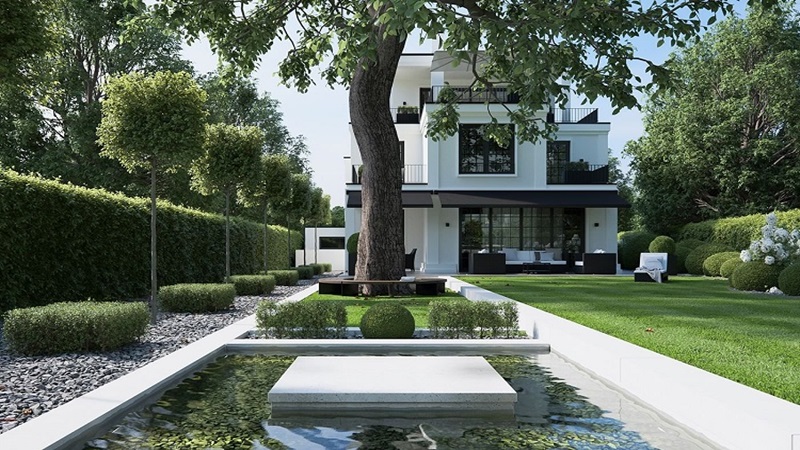
▎Design and Implementation of Landscaping and Site Development
Design and Implementation of Landscaping | Landscaping and site development are essential components of any construction project, whether residential, commercial, or public. They not only enhance the aesthetic appeal of a property but also improve functionality, sustainability, and environmental health. This article explores the principles, processes, and best practices involved in the design and implementation of landscaping and site development.
▎Understanding Landscaping and Site Development
▎Definition
- Landscaping refers to the planning and execution of outdoor spaces, including the arrangement of plants, trees, pathways, water features, and other elements to create an aesthetically pleasing environment.
- Site Development encompasses the broader scope of preparing a site for construction or renovation, including grading, drainage, utilities installation, and compliance with zoning regulations.
▎Importance
- Aesthetic Value: Well-designed landscapes enhance the visual appeal of properties, making them more attractive to visitors and potential buyers.
- Environmental Benefits: Landscaping can improve air quality, reduce urban heat, manage stormwater runoff, and promote biodiversity.
- Functional Spaces: Effective site development creates functional outdoor areas for recreation, social interaction, and accessibility.
- Property Value: A thoughtfully landscaped property can significantly increase its market value.
▎Principles of Landscape Design
▎1. Unity
Unity refers to the cohesive appearance of the landscape. All elements should work together harmoniously to create a unified look. This can be achieved through consistent color schemes, materials, and plant types.
▎2. Balance
Balance involves distributing visual weight evenly throughout the landscape. It can be symmetrical (formal) or asymmetrical (informal). Achieving balance ensures that no single element overwhelms others.
▎3. Proportion
Proportion relates to the size relationship between different elements in the landscape. Ensuring that plants, structures, and other features are proportionate to each other enhances visual harmony.
▎4. Rhythm
Rhythm is achieved through the repetition of certain elements, such as plant types or materials, creating a sense of movement and flow throughout the landscape.
▎5. Focal Points
Focal points are specific features designed to draw attention within a landscape. These can be sculptures, water features, or unique plant arrangements that serve as visual anchors.
▎Steps in Landscape Design
▎1. Site Analysis
Before any design work begins, a thorough site analysis is crucial. This includes:
- Soil Testing: Assessing soil type, pH levels, and drainage capabilities to determine suitable plants and materials.
- Microclimates: Identifying sun/shade patterns, wind exposure, and moisture levels across different areas of the site.
- Existing Features: Documenting existing trees, structures, topography, and utilities that may impact the design.
- Zoning Regulations: Reviewing local zoning laws and regulations that may affect landscaping choices.
▎2. Conceptual Design
The conceptual design phase involves creating initial sketches or digital renderings that illustrate the overall vision for the landscape. Key considerations include:
- Plant Selection: Choosing plants based on climate adaptability, growth habits, seasonal interest, and maintenance requirements.
- Hardscape Elements: Designing pathways, patios, walls, and other non-plant features to complement the landscape.
- Water Features: Incorporating ponds, fountains, or rain gardens for aesthetic appeal and ecological benefits.
▎3. Detailed Design Development
Once the conceptual design is approved, detailed plans are created:
- Planting Plans: Specific layouts indicating plant species, sizes, and spacing.
- Irrigation Plans: Designing an efficient irrigation system to ensure optimal water delivery to plants.
- Lighting Plans: Planning outdoor lighting to enhance safety and aesthetics during nighttime.
▎4. Cost Estimation and Budgeting
A comprehensive cost estimate should be developed based on the detailed designs. This includes material costs, labor expenses, equipment rentals, and ongoing maintenance considerations.
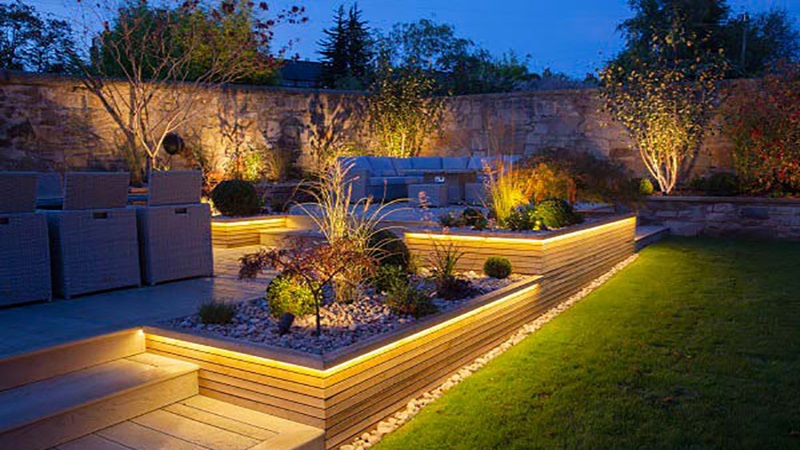
▎Implementation of Landscaping and Site Development
▎1. Site Preparation
Before actual landscaping begins, site preparation is essential:
- Clearing: Removing debris, invasive plants, and unwanted vegetation.
- Grading: Leveling the ground to ensure proper drainage and soil stability.
- Soil Amendments: Adding organic matter or fertilizers to improve soil quality.
▎2. Hardscape Installation
Hardscape elements should be installed before planting:
- Pathways: Constructing walkways using materials like stone, brick, or concrete.
- Patios and Decks: Building outdoor living spaces for relaxation or entertainment.
- Retaining Walls: Installing walls to manage slopes and prevent erosion.
▎3. Planting
The planting phase involves:
- Plant Installation: Carefully placing plants according to the planting plan while considering root depth and spacing.
- Mulching: Applying mulch around plants to retain moisture and suppress weeds.
- Watering: Ensuring newly planted vegetation receives adequate water during establishment.
▎4. Irrigation System Installation
Implementing an irrigation system is crucial for maintaining plant health:
- Drip Irrigation: Installing drip lines for targeted watering at the root zone.
- Sprinkler Systems: Setting up sprinklers for larger areas requiring uniform coverage.
▎5. Final Touches
Once all major installations are complete:
- Lighting Installation: Adding outdoor lighting fixtures to enhance safety and aesthetics.
- Furniture Placement: Arranging outdoor furniture for functional use.
- Final Cleanup: Removing any construction debris and ensuring the site is tidy.
▎Maintenance Considerations
Ongoing maintenance is vital for preserving the integrity of landscaping:
- Regular Watering: Establishing a watering schedule based on plant needs and weather conditions.
- Pruning and Trimming: Regularly maintaining plant health through pruning dead or overgrown branches.
- Weed Control: Implementing strategies for weed management to prevent competition with desired plants.
- Fertilization: Applying fertilizers as needed to promote healthy growth.
- Seasonal Adjustments: Making seasonal changes to landscaping elements as necessary (e.g., seasonal flowers).
▎Sustainable Practices in Landscaping
Incorporating sustainable practices into landscaping enhances environmental benefits:
- Native Plant Selection: Using native plants that require less water and maintenance while supporting local wildlife.
- Rainwater Harvesting: Installing systems to collect rainwater for irrigation purposes.
- Xeriscaping: Designing landscapes that minimize water use through drought-resistant plants and efficient irrigation methods.
- Composting: Utilizing organic waste for composting to enrich soil health naturally.
▎Conclusion
The design and implementation of landscaping and site development are complex but rewarding processes that contribute significantly to the functionality and beauty of outdoor spaces. By adhering to established principles of design, following systematic steps in planning and execution, and embracing sustainable practices, professionals can create landscapes that not only meet aesthetic desires but also promote environmental health and community well-being. Ultimately, successful landscaping enhances property value while fostering a deeper connection between people and their natural surroundings.
Instagram page of Alborz Group, Northern Cyprus Residence Consultant Company
Related links:
Northern Cyprus Immigration
Buying property in North Cyprus
Residence in Northern Cyprus
Investing in Northern Cyprus


