

Cleaning and Maintenance of Indoor and Outdoor Swimming Pools
▎Importance of Pool Maintenance
Swimming pools are a valuable addition to residential and commercial properties, providing a space for recreation, exercise, and relaxation. However, maintaining the cleanliness and functionality of both indoor and outdoor swimming pools requires consistent effort and attention. This article explores the essential aspects of cleaning and maintaining swimming pools, including routine maintenance tasks, cleaning procedures, water quality management, equipment upkeep, and safety considerations.
Regular maintenance of swimming pools is crucial for several reasons:
- Health and Safety: Poorly maintained pools can harbor harmful bacteria, algae, and other pathogens that pose health risks to swimmers. Ensuring proper hygiene through regular cleaning and chemical balancing is vital for swimmer safety.
- Longevity: Consistent maintenance helps prolong the life of pool surfaces, equipment, and systems. Neglecting maintenance can lead to costly repairs or replacements.
- Aesthetic Appeal: A clean pool enhances the overall appearance of a property. Clear water and well-maintained surroundings create an inviting atmosphere for users.
- Compliance with Regulations: Many local regulations require pools to meet specific health and safety standards. Regular maintenance ensures compliance with these regulations and avoids potential fines.
- Water Efficiency: Proper maintenance reduces water waste by preventing leaks and ensuring efficient filtration systems.
▎Routine Maintenance Tasks
Routine maintenance is essential for keeping pools clean and functional. Here are some key tasks to incorporate into a regular maintenance schedule:
▎1. Skimming Debris
For both indoor and outdoor pools, skimming the surface daily helps remove leaves, insects, and other debris that may accumulate. Use a pool skimmer net to efficiently collect floating debris.
▎2. Brushing Walls and Floors
Brushing the walls and floors of the pool at least once a week prevents algae buildup and keeps surfaces clean. Use a pool brush with appropriate bristles for the type of pool surface (e.g., tile, vinyl, or plaster).
▎3. Vacuuming
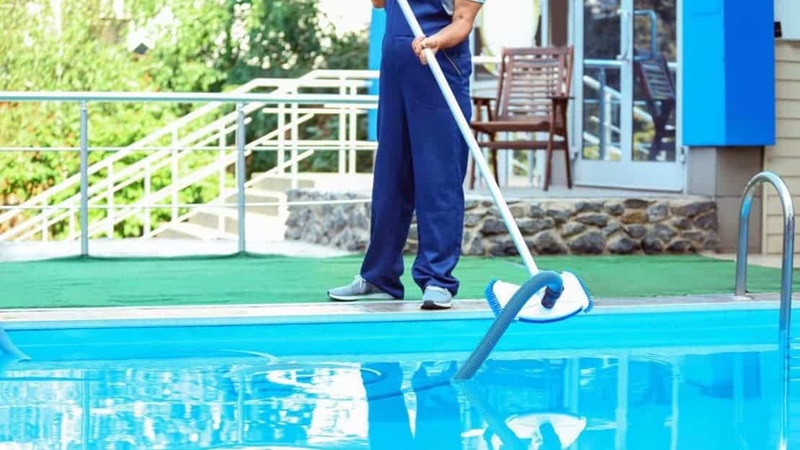
Vacuuming the pool floor helps remove dirt and debris that settle at the bottom. For outdoor pools, this should be done weekly, while indoor pools may require less frequent vacuuming depending on usage.
▎4. Checking Water Levels
Regularly check the water level in the pool to ensure it remains at the appropriate height for optimal filtration and skimming. If water levels are low, add water as necessary.
▎5. Cleaning Pool Filters
Filters play a crucial role in maintaining water quality. Clean or replace filter cartridges according to the manufacturer’s guidelines, typically every few months or when pressure gauges indicate a need.
▎6. Inspecting Equipment
Regularly inspect pool equipment such as pumps, heaters, and lights for signs of wear or malfunction. Address any issues promptly to avoid more significant problems later.
▎Water Quality Management
Maintaining proper water chemistry is essential for a safe and enjoyable swimming experience. Key components of water quality management include:
▎1. Testing Water Chemistry
Regularly test the pool water for pH levels, chlorine or bromine concentration, alkalinity, calcium hardness, and stabilizer levels. Testing kits or digital testers are widely available for this purpose.
- pH Levels: The ideal pH range for pool water is between 7.2 and 7.8. Low pH can cause skin irritation and corrosion of pool surfaces, while high pH can lead to cloudy water and reduced chlorine effectiveness.
- Chlorine/Bromine Levels: Maintain free chlorine levels between 1-3 ppm (parts per million) or bromine levels between 3-5 ppm to effectively sanitize the water.
- Alkalinity: Total alkalinity should be maintained between 80-120 ppm to help stabilize pH levels.
- Calcium Hardness: Keep calcium hardness between 200-400 ppm to prevent corrosion or scaling on pool surfaces.
▎2. Shock Treatment
Periodic shock treatment involves adding a higher dose of chlorine or non-chlorine shock to the pool to eliminate contaminants such as chloramines (combined chlorine) that can cause odor and irritation. Shock treatments are typically performed every 1-2 weeks or after heavy pool usage.
▎3. Algaecide Application
Preventive measures against algae growth may include applying algaecide treatments according to manufacturer instructions. This is especially important in warmer months when algae growth is more prevalent.
▎4. Regular Water Replacement
Over time, pool water can become saturated with dissolved solids and chemicals. Partial water replacement (draining 10-20% of the water) every few months can help maintain water quality.
▎Cleaning Procedures
Cleaning procedures vary between indoor and outdoor pools due to environmental factors:
▎Indoor Pools
Indoor pools require specific cleaning procedures to manage humidity levels and prevent mold growth:
- Dehumidification: Maintain proper humidity levels (30-50%) in indoor pool areas using dehumidifiers or ventilation systems to prevent mold and mildew.
- Surface Cleaning: Regularly clean surrounding areas, including decks, walls, and furniture, to prevent dirt from entering the pool.
- Water Features: If the indoor pool has water features like fountains or waterfalls, ensure they are cleaned regularly to prevent buildup of algae or debris.
▎Outdoor Pools
Outdoor pools face additional challenges due to exposure to the elements:
- Leaf Removal: Use leaf nets or covers during fall months to minimize debris entering the pool.
- Sunlight Management: Consider using pool covers when the pool is not in use to reduce evaporation, keep debris out, and maintain heat.
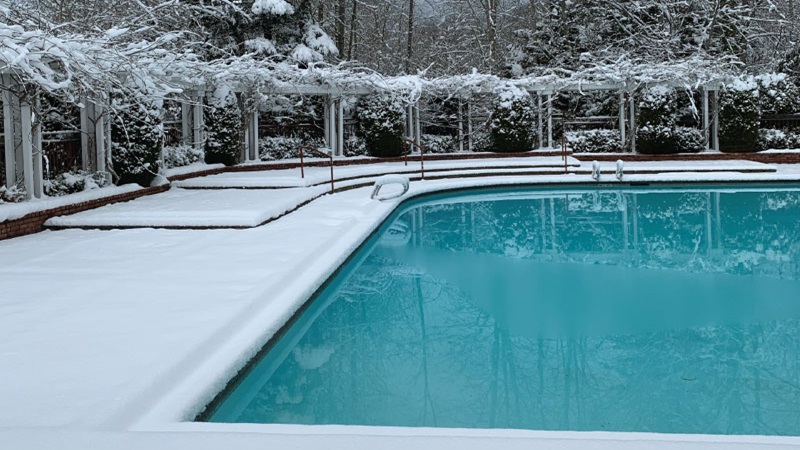
- Winterization: For regions with cold winters, winterizing procedures are necessary for outdoor pools. This includes draining plumbing lines, adding antifreeze solutions, covering the pool securely, and ensuring all equipment is stored properly.
▎Equipment Upkeep
Proper upkeep of pool equipment is essential for efficient operation:
▎1. Pumps
Regularly clean pump baskets to prevent clogs and ensure efficient water circulation. Check for leaks in pump seals and replace them as needed.
▎2. Heaters
For heated pools, inspect heaters for proper functioning before the swimming season begins. Clean filters and ensure that gas lines (if applicable) are secure.
▎3. Automation Systems
If your pool has an automated system for monitoring chemical levels or controlling pumps, ensure that it is calibrated correctly for accurate readings.
▎4. Lighting
Inspect underwater lights regularly for functionality and replace bulbs as needed. Ensure that all electrical connections are secure.
▎Safety Considerations
Safety should always be a priority when managing swimming pools:
- Fencing: Ensure that outdoor pools have proper fencing with self-closing gates to prevent unauthorized access.
- Lifeguards: For commercial pools or large gatherings, consider having trained lifeguards on duty to monitor swimmers.
- Emergency Equipment: Keep lifesaving equipment such as life rings, poles, and first aid kits easily accessible near the pool area.
- Chemical Safety: Store pool chemicals in a cool, dry place away from direct sunlight and out of reach of children. Always follow manufacturer instructions when handling chemicals.
- Signs: Display clear signage indicating rules, depth markers, and emergency contact information around the pool area.
▎Conclusion
Cleaning and maintaining indoor and outdoor swimming pools is essential for ensuring a safe, enjoyable experience for all users. By implementing routine maintenance tasks, managing water quality effectively, performing regular cleaning procedures, maintaining equipment, and prioritizing safety measures, pool owners can enjoy their investment while minimizing long-term costs associated with neglect or deterioration. Whether you have a residential or commercial pool, a commitment to regular upkeep will lead to cleaner water, enhanced aesthetics, and a healthier environment for swimmers year-round.
Instagram page of Alborz Group, Northern Cyprus Residence Consultant Company
Related links:
Northern Cyprus Immigration
Buying property in North Cyprus
Residence in Northern Cyprus
Investing in Northern Cyprus


