
Full Installation of Mechanical and Electrical Systems
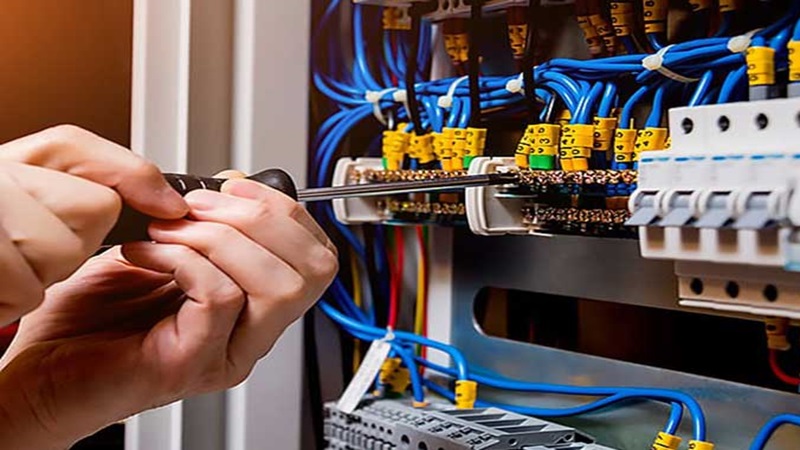
Mechanical and Electrical Systems
The installation of mechanical, electrical, and plumbing (MEP) systems is a critical phase in construction. These systems provide essential services such as heating, cooling, power, lighting, water, and sanitation. Proper installation is crucial for the building’s functionality, safety, and energy efficiency.
1. Planning and Coordination
- Design and Specifications:
- Review: Thoroughly review the MEP design plans, specifications, and shop drawings.
- Coordination: Coordinate the MEP systems with other building systems (structural, architectural) to avoid conflicts.
- Permitting:
- Obtain Permits: Secure all necessary permits from local authorities.
- Compliance: Ensure the installation meets all local codes and regulations.
- Material Procurement:
- Ordering: Order all necessary materials and equipment (e.g., pipes, wires, HVAC units, panels).
- Delivery: Schedule timely delivery of materials to the job site.
- Coordination Meetings:
- Regular Meetings: Conduct regular coordination meetings with all stakeholders (architects, engineers, contractors).
- Issue Resolution: Address and resolve any conflicts or issues that arise during installation.
2. Mechanical System Installation
- HVAC (Heating, Ventilation, and Air Conditioning):
- Ductwork:
- Installation: Install ductwork according to the design plans, ensuring proper sizing, sealing, and support.
- Testing: Test ductwork for leaks and proper airflow.
- Equipment:
- Installation: Install HVAC units (e.g., furnaces, air conditioners, chillers, boilers).
- Connections: Connect equipment to ductwork, piping, and electrical systems.
- Piping:
- Installation: Install piping for chilled water, hot water, and refrigerant.
- Insulation: Insulate piping to prevent heat loss or gain.
- Controls:
- Installation: Install thermostats, sensors, and control systems.
- Programming: Program control systems to optimize system performance.
- Testing and Balancing:
- Air Balancing: Balance airflow throughout the system.
- Performance Testing: Test the system’s performance to ensure it meets design requirements.
- Ductwork:
- Plumbing:
- Piping:
- Installation: Install water supply, drain, waste, and vent (DWV) piping.
- Material Selection: Select appropriate piping materials (e.g., copper, PEX, PVC) based on the application.
- Fixtures:
- Installation: Install plumbing fixtures (e.g., sinks, toilets, showers, bathtubs).
- Connections: Connect fixtures to the water supply and drainage systems.
- Equipment:
- Installation: Install water heaters, water softeners, and other plumbing equipment.
- Connections: Connect equipment to the water supply and electrical systems.
- Testing:
- Pressure Testing: Pressure test piping systems for leaks.
- Drainage Testing: Test drainage systems for proper flow.
- Piping:
- Fire Protection:
- Sprinkler Systems:
- Installation: Install sprinkler piping, heads, and control valves.
- Testing: Test the sprinkler system for proper operation.
- Fire Pumps:
- Installation: Install fire pumps to provide adequate water pressure.
- Connections: Connect fire pumps to the water supply and electrical systems.
- Standpipes:
- Installation: Install standpipes for fire department use.
- Testing: Test standpipes for proper operation.
- Sprinkler Systems:
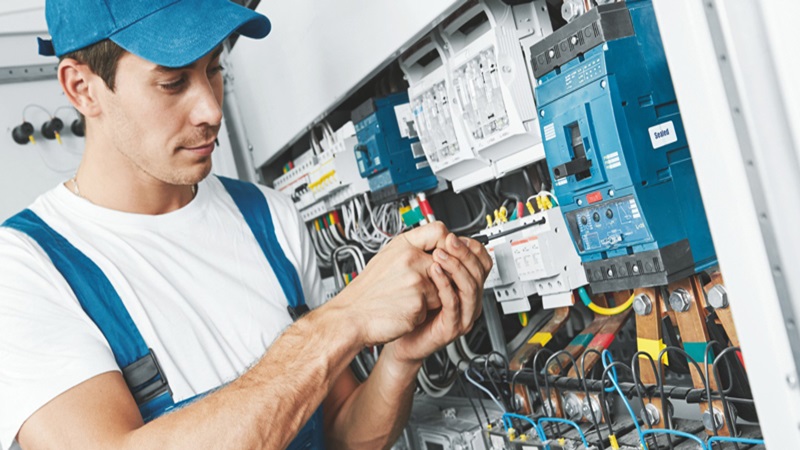
3. Electrical System Installation
- Conduit and Wiring:
- Conduit Installation:
- Routing: Install conduit pathways for electrical wiring.
- Material Selection: Select appropriate conduit materials (e.g., EMT, PVC) based on the application.
- Wiring:
- Pulling: Pull electrical wires through conduit.
- Connections: Make proper wire connections and terminations.
- Conduit Installation:
- Panelboards and Switchgear:
- Installation: Install panelboards, switchgear, and other electrical distribution equipment.
- Connections: Connect equipment to the main power supply.
- Lighting:
- Fixture Installation: Install lighting fixtures (e.g., recessed lights, fluorescent lights, LED lights).
- Wiring: Connect lighting fixtures to the electrical system.
- Controls: Install lighting controls (e.g., switches, dimmers, occupancy sensors).
- Outlets and Devices:
- Installation: Install electrical outlets, switches, and other electrical devices.
- Wiring: Connect devices to the electrical system.
- Low-Voltage Systems:
- Installation: Install low-voltage systems such as:
- Data: Install data cabling and equipment.
- Security: Install security systems, including cameras and access control.
- Fire Alarm: Install fire alarm systems, including detectors and control panels.
- Audio/Visual: Install audio/visual systems.
- Installation: Install low-voltage systems such as:
- Grounding:
- Installation: Install grounding systems to protect equipment and personnel.
- Testing: Test grounding systems to ensure proper functionality.
- Testing and Commissioning:
- Testing: Test all electrical systems for proper operation and safety.
- Commissioning: Commission the electrical systems to ensure they meet design requirements.
4. Coordination and Integration
- Coordination with Other Trades:
- Collaboration: Work closely with other trades (e.g., structural, architectural) to ensure proper coordination.
- Conflict Resolution: Resolve any conflicts or issues that arise during installation.
- Shop Drawings:
- Creation: Prepare shop drawings to illustrate the MEP systems’ installation.
- Approval: Obtain approval of shop drawings from the engineer and owner.
- As-Built Drawings:
- Documentation: Prepare as-built drawings to document the final installation of the MEP systems.
- Accuracy: Ensure as-built drawings accurately reflect the installed systems.
5. Safety and Quality Control
- Safety Procedures:
- Compliance: Follow all safety regulations and procedures.
- Training: Provide safety training to all workers.
- PPE: Ensure all workers wear appropriate personal protective equipment (PPE).
- Quality Control:
- Inspections: Conduct regular inspections to ensure quality workmanship.
- Testing: Perform testing to verify the performance of the installed systems.
- Documentation: Maintain detailed records of all inspections and tests.
Example:
Consider the installation of HVAC and electrical systems in a new office building. The process would involve:
- Planning: Reviewing designs, obtaining permits, and coordinating with other trades.
- Mechanical: Installing ductwork, HVAC units, plumbing, and fire protection systems.
- Electrical: Installing conduit, wiring, panelboards, lighting, outlets, and low-voltage systems.
- Coordination: Creating shop drawings, coordinating with other trades, and integrating systems.
- Safety and Quality: Implementing safety procedures, conducting inspections, and performing tests.
Instagram page of Alborz Group, Northern Cyprus Residence Consultant Company
Related links:
Northern Cyprus Immigration
Buying property in North Cyprus
Residence in Northern Cyprus
Investing in Northern Cyprus


