

Execution of Wastewater Treatment Projects
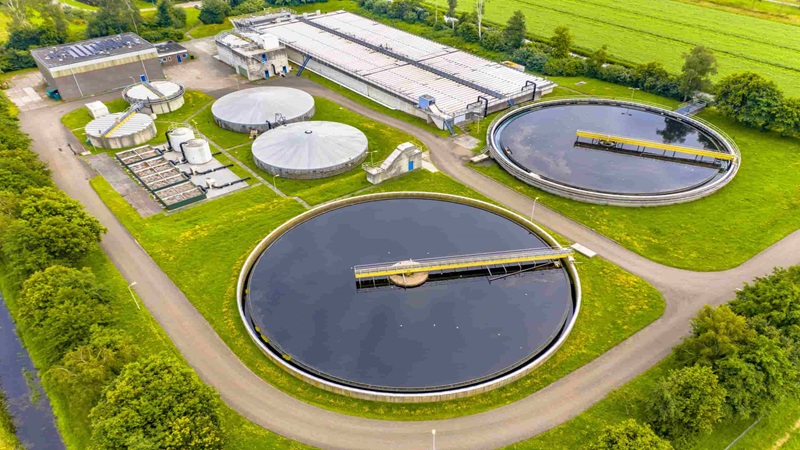
▎Execution of Wastewater Treatment Projects for Urban Water Reuse in Irrigation
▎As urban populations continue to grow, the demand for water resources intensifies, leading to increased pressure on existing water supplies. Wastewater treatment and reuse have emerged as viable solutions to address water scarcity, particularly for irrigation purposes in urban areas. This article explores the execution of wastewater treatment projects aimed at recycling urban wastewater for irrigation, highlighting the processes involved, benefits, challenges, and best practices.
▎Understanding Wastewater Treatment
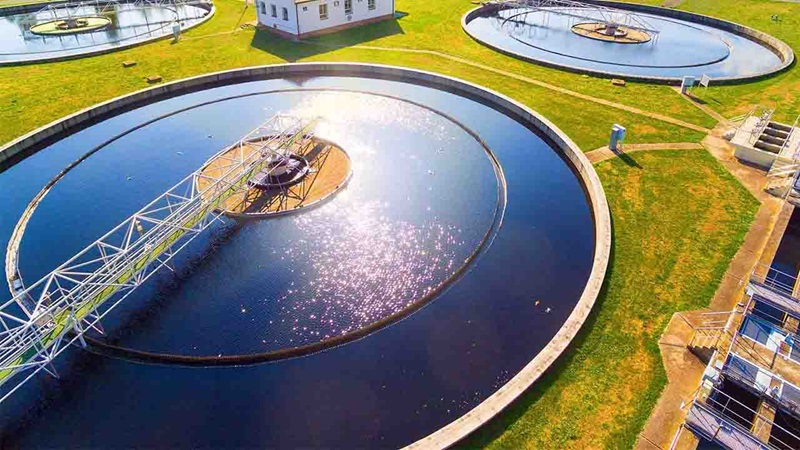
Wastewater treatment is a process designed to remove contaminants from sewage and industrial effluents, making the water suitable for reuse or discharge into natural water bodies. The treatment process typically involves several stages:
- Preliminary Treatment: This stage involves the removal of large solids and debris through screening and grit removal.
- Primary Treatment: In this phase, sedimentation tanks allow heavier solids to settle at the bottom while lighter materials float to the surface for removal.
- Secondary Treatment: Biological processes are employed to further reduce organic matter and nutrients. This can involve aerobic or anaerobic digestion, activated sludge systems, or biofilm reactors.
- Tertiary Treatment: The final stage aims to polish the treated water by removing remaining contaminants, pathogens, and nutrients. Techniques include filtration, disinfection (using chlorine, UV light, or ozone), and nutrient removal.
- Advanced Treatment: In some cases, advanced processes such as reverse osmosis or membrane bioreactors may be used to produce high-quality effluent suitable for sensitive applications.
▎Benefits of Reusing Treated Wastewater for Irrigation
The reuse of treated wastewater for irrigation offers numerous advantages:
- Water Conservation: Utilizing treated wastewater reduces reliance on freshwater sources, conserving valuable water resources for drinking and other essential uses.
- Sustainable Agriculture: Recycled water can support agricultural practices in urban areas, promoting sustainable farming methods while ensuring crop health.
- Nutrient Recycling: Treated wastewater often contains nutrients such as nitrogen and phosphorus, which can enhance soil fertility and reduce the need for chemical fertilizers.
- Environmental Protection: By diverting treated wastewater from natural water bodies, the risk of pollution is minimized, contributing to healthier ecosystems.
- Cost-Effectiveness: In many cases, using treated wastewater for irrigation can be more cost-effective than developing new freshwater sources or infrastructure.
▎Project Execution Steps
Executing a wastewater treatment project for urban water reuse in irrigation involves several critical steps:
▎1. Feasibility Study
Before project initiation, a comprehensive feasibility study should be conducted to assess the technical, economic, environmental, and social aspects of the proposed project. This includes:
- Evaluating existing wastewater generation rates and quality.
- Identifying potential irrigation sites and crop requirements.
- Assessing community acceptance and regulatory compliance.
▎2. Design and Engineering
Once feasibility is confirmed, detailed design and engineering plans must be developed. Key considerations include:
- Selection of appropriate treatment technologies based on the quality of influent wastewater and end-use requirements.
- Designing infrastructure such as treatment plants, storage facilities, and distribution networks.
- Ensuring compliance with local regulations and guidelines regarding water quality standards for irrigation.
▎3. Permitting and Regulatory Approvals
Obtaining necessary permits and regulatory approvals is crucial before construction begins. This may involve:
- Engaging with local authorities, environmental agencies, and public health departments.
- Conducting environmental impact assessments (EIAs) to evaluate potential effects on local ecosystems.
- Securing permits for construction and operation of treatment facilities.
▎4. Construction
The construction phase involves building the treatment plant and associated infrastructure. Key tasks include:
- Site preparation and earthworks.
- Installing treatment equipment and systems according to engineering specifications.
- Implementing safety measures to protect workers and the surrounding environment.
▎5. Commissioning and Testing
After construction is complete, the system must be commissioned and tested to ensure proper operation. This includes:
- Running pilot tests to evaluate treatment performance.
- Verifying that effluent quality meets regulatory standards.
- Training operators on system management and maintenance procedures.
▎6. Operation and Maintenance
Once operational, ongoing monitoring and maintenance are essential to ensure system efficiency and compliance. Key activities include:
- Regularly testing effluent quality to ensure it meets irrigation standards.
- Performing routine maintenance on treatment equipment.
- Implementing a monitoring program to track water usage in irrigation applications.
▎7. Community Engagement and Education
Engaging the community is vital for the success of wastewater reuse projects. Strategies include:
- Providing information about the benefits of using treated wastewater for irrigation.
- Addressing public concerns regarding health and safety.
- Offering educational programs for farmers on best practices for using recycled water.
▎Challenges in Implementation
While there are significant benefits to reusing treated wastewater for irrigation, several challenges must be addressed:
- Public Perception: Concerns about health risks associated with using recycled water can hinder acceptance. Effective communication strategies are needed to build trust within communities.
- Regulatory Barriers: Variability in regulations regarding wastewater reuse can complicate project implementation. Clear guidelines are essential to facilitate compliance.
- Technical Limitations: Not all wastewater treatment technologies are suitable for producing high-quality effluent needed for irrigation. Careful selection of treatment processes is critical.
- Infrastructure Costs: The initial capital investment required for constructing treatment facilities can be substantial. Securing funding or partnerships may be necessary.
- Operational Challenges: Ensuring consistent performance of treatment systems can be difficult due to fluctuations in influent quality or operational issues.
▎Best Practices for Successful Implementation
To maximize the success of wastewater treatment projects for irrigation, consider the following best practices:
- Integrated Water Management: Adopt an integrated approach that considers all aspects of water management within urban settings, including stormwater management, potable water supply, and wastewater reuse.
- Stakeholder Involvement: Engage stakeholders—including local governments, farmers, industries, and community members—in planning and decision-making processes to foster collaboration and support.
- Adaptive Management: Implement adaptive management strategies that allow for flexibility in operations based on changing conditions or new information.
- Monitoring and Evaluation: Establish robust monitoring systems to track both water quality and agricultural outcomes. Use this data to evaluate project performance and make necessary adjustments.
- Public Awareness Campaigns: Develop campaigns to educate the public about the safety and benefits of using treated wastewater in irrigation, emphasizing its role in promoting sustainable water use.
▎Conclusion
The execution of wastewater treatment projects aimed at recycling urban wastewater for irrigation purposes presents an effective solution to address growing water scarcity challenges in urban areas. By implementing well-designed projects that prioritize community engagement, regulatory compliance, and sustainable practices, cities can enhance their resilience against water shortages while promoting agricultural sustainability. As technology advances and public awareness increases, the potential for wastewater reuse will continue to expand, contributing to a more sustainable future for urban water management.
Instagram page of Alborz Group, Northern Cyprus Residence Consultant Company
Related links:
Northern Cyprus Immigration
Buying property in North Cyprus
Residence in Northern Cyprus
Investing in Northern Cyprus


