
Maintenance of Wastewater Treatment Systems
Ensuring Efficiency and Sustainability
Wastewater treatment systems play a crucial role in protecting public health and the environment by treating municipal and industrial wastewater before it is released back into the ecosystem or reused for various purposes. However, to ensure these systems operate efficiently and effectively, regular maintenance is essential. This article explores the importance of maintenance in wastewater treatment systems, the key components that require attention, best practices for maintenance, and common challenges faced in the process.
▎Importance of Maintenance in Wastewater Treatment Systems
Regular maintenance of wastewater treatment systems is vital for several reasons:
- Operational Efficiency: Proper maintenance ensures that treatment systems operate at optimal levels, preventing costly downtimes and inefficiencies.
- Regulatory Compliance: Wastewater treatment facilities must adhere to strict environmental regulations regarding effluent quality. Regular maintenance helps ensure compliance with these standards, avoiding penalties and legal issues.
- Public Health Protection: Effective maintenance reduces the risk of system failures that could lead to untreated wastewater being discharged into the environment, posing health risks to communities.
- Prolonging Equipment Lifespan: Routine maintenance extends the lifespan of equipment and infrastructure, reducing replacement costs and minimizing waste.
- Cost Savings: Preventative maintenance can help identify potential issues before they escalate into major problems, resulting in significant cost savings over time.
▎Key Components Requiring Maintenance
Wastewater treatment systems comprise various components, each requiring specific maintenance procedures:
▎1. Screens and Grit Removal Systems
- Function: These components remove large solids and grit from incoming wastewater.
- Maintenance Tasks: Regular inspection and cleaning are necessary to prevent blockages. Screens should be checked for wear and tear, while grit chambers should be cleaned periodically to remove accumulated grit.
▎2. Primary Settling Tanks
- Function: Primary tanks allow solids to settle out of the wastewater.
- Maintenance Tasks: Sludge buildup should be monitored and removed regularly to maintain effective settling. The integrity of tank walls and equipment (such as scrapers) should also be inspected.
▎3. Aeration Systems
- Function: Aeration systems supply oxygen to promote the growth of microorganisms that break down organic matter.
- Maintenance Tasks: Inspect aeration diffusers for clogging or damage, monitor dissolved oxygen levels, and ensure proper functioning of blowers and compressors.
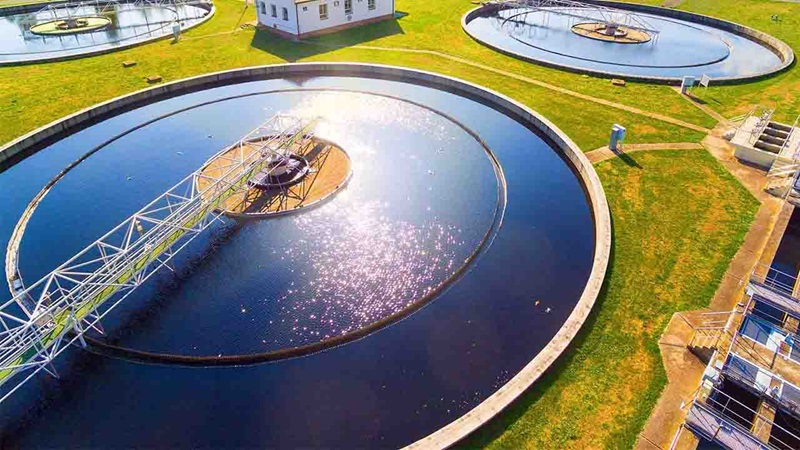
▎4. Secondary Clarifiers
- Function: Secondary clarifiers separate treated water from biological solids after the aerobic treatment process.
- Maintenance Tasks: Regularly check for sludge blanket levels, inspect weirs for proper flow distribution, and remove excess sludge to prevent carryover into the effluent.
▎5. Disinfection Systems
- Function: Disinfection systems (e.g., chlorination, UV treatment) eliminate pathogens from treated water before discharge.
- Maintenance Tasks: Monitor disinfection effectiveness, inspect equipment for wear, clean UV lamps or chlorine contact tanks as needed, and regularly calibrate dosing equipment.
▎6. Pumps and Valves
- Function: Pumps and valves transport wastewater through various stages of treatment.
- Maintenance Tasks: Conduct routine inspections for leaks or wear, lubricate moving parts, and replace worn-out components promptly.
▎7. Control Systems
- Function: Control systems manage the operation of treatment processes through automation.
- Maintenance Tasks: Regularly test and calibrate sensors and control panels, update software as needed, and conduct system backups to prevent data loss.
▎Best Practices for Maintenance
Implementing best practices in the maintenance of wastewater treatment systems can enhance their efficiency and longevity:
▎1. Establish a Preventative Maintenance Program
A structured preventative maintenance program outlines scheduled inspections, cleaning tasks, and repairs. This proactive approach helps identify potential issues before they escalate.
▎2. Train Staff Regularly
Ensure that all personnel involved in system operation and maintenance receive regular training on best practices, safety protocols, and new technologies.
▎3. Utilize Technology for Monitoring
Incorporate advanced monitoring technologies such as SCADA (Supervisory Control and Data Acquisition) systems to track performance metrics in real-time, allowing for timely interventions when anomalies are detected.
▎4. Document Maintenance Activities
Maintain detailed records of all maintenance activities performed, including inspections, repairs, and replacements. Documentation aids in tracking trends over time and assists with regulatory compliance reporting.
▎5. Conduct Regular Audits
Periodic audits of maintenance practices can identify areas for improvement and ensure adherence to established procedures.
▎6. Engage with Equipment Manufacturers
Collaborate with equipment manufacturers for guidance on maintenance best practices specific to their equipment. They can provide valuable insights into optimal operating conditions and troubleshooting techniques.
▎Common Challenges in Maintenance
Despite the importance of maintenance, several challenges may arise:
▎1. Limited Resources
Many wastewater treatment facilities operate with constrained budgets and staffing levels, making it difficult to allocate sufficient resources for comprehensive maintenance programs.
▎2. Aging Infrastructure
As wastewater treatment facilities age, they may require more frequent repairs and upgrades. Aging infrastructure can lead to increased operational costs and potential compliance issues.
▎3. Changing Regulations
Regulatory requirements regarding effluent quality can evolve over time. Facilities must stay informed about changes to avoid non-compliance due to outdated practices or equipment.
▎4. Technological Complexity
As treatment technologies become more advanced, staff may require specialized training to operate and maintain new systems effectively.
▎5. Environmental Factors
External factors such as extreme weather events or changes in influent characteristics can impact system performance and necessitate additional maintenance efforts.
▎Conclusion
The maintenance of wastewater treatment systems is a critical aspect of ensuring their efficiency, compliance, and sustainability. By implementing structured maintenance programs, investing in staff training, utilizing advanced monitoring technologies, and addressing common challenges proactively, wastewater treatment facilities can enhance their operational performance while safeguarding public health and the environment. As urban populations continue to grow and water scarcity becomes an increasingly pressing issue, maintaining these vital systems will be essential in supporting sustainable water management practices for future generations.
Instagram page of Alborz Group, Northern Cyprus Residence Consultant Company
Related links:
Northern Cyprus Immigration
Buying property in North Cyprus
Residence in Northern Cyprus
Investing in Northern Cyprus