

formwork and foundation execution
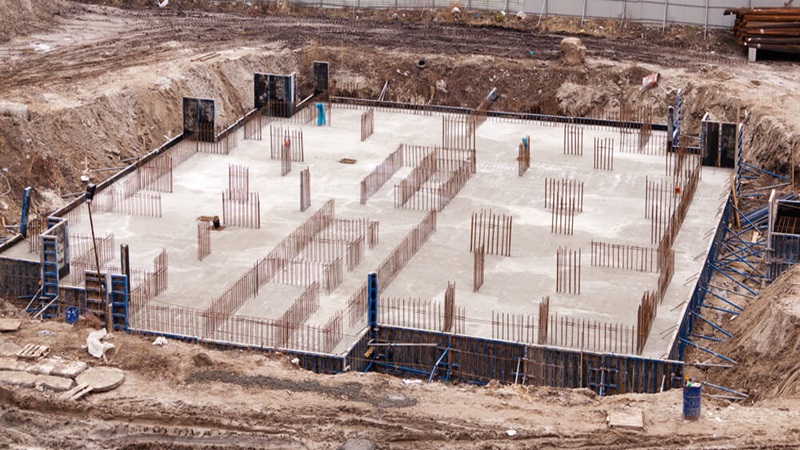
Formwork and Foundation Execution: A Static Perspective
Formwork and foundation execution are critical phases in construction, directly impacting a structure’s stability and longevity. This discussion emphasizes the static aspects, focusing on the structural integrity and long-term performance of the foundation.
1. Formwork: The Mold for Foundations
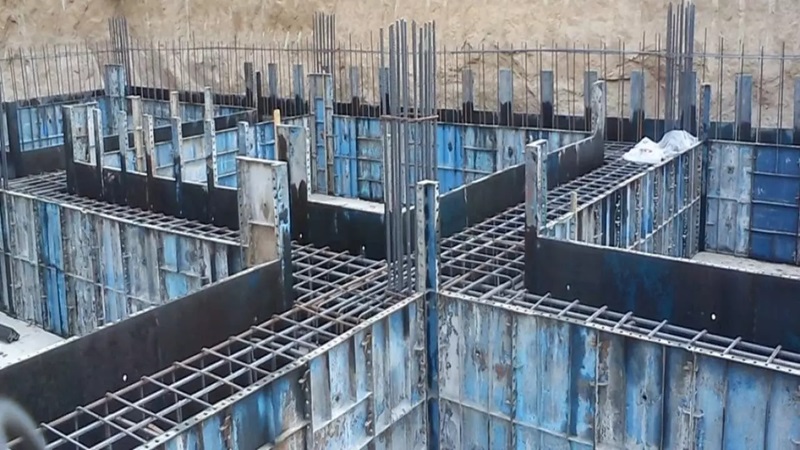
Formwork acts as a temporary mold, providing the shape and support for concrete until it cures and gains sufficient strength. The formwork’s design and execution significantly impact the final foundation’s quality and accuracy.
a. Formwork Design Considerations
- Load Bearing: Formwork must withstand the weight of wet concrete, construction loads, and environmental factors (wind, etc.).
- Material Selection: Common materials include wood, steel, aluminum, and engineered formwork systems. The choice depends on project requirements, cost, and reusability.
- Accuracy: Formwork must be precisely constructed to ensure the foundation’s dimensions, alignment, and levelness meet the design specifications.
- Ease of Assembly and Stripping: The formwork system should be easy to assemble, dismantle, and reuse (if applicable).
- Safety: Formwork design should prioritize worker safety, including proper access, fall protection, and load limits.
b. Formwork Execution
- Setting Out: Precise setting out (marking the foundation’s location and dimensions) is critical. Use surveying instruments like total stations or laser levels.
- Assembly: Assemble the formwork according to the design drawings, ensuring all components are correctly aligned and securely connected.
- Bracing and Support: Provide adequate bracing and support to prevent formwork movement or collapse during concrete placement.
- Sealing: Seal the formwork joints to prevent concrete leakage, which can affect the foundation’s surface finish and durability.
- Surface Treatment: Apply release agents to the formwork surfaces to facilitate easy stripping and protect the concrete surface.
2. Foundation Execution: Building the Base
The foundation transfers the building’s loads to the underlying soil. Proper execution is essential for the structure’s long-term stability and performance.
a. Foundation Types (Static Considerations)
- Shallow Foundations: These include spread footings, strip footings, and mat foundations. They are suitable for stable soil conditions and relatively light loads. Static considerations involve:
- Bearing Capacity: Ensuring the soil can support the foundation’s load without excessive settlement.
- Differential Settlement: Minimizing uneven settlement that can cause structural distress.
- Deep Foundations: These include piles and caissons, used when the surface soil is weak or when high loads are involved. Static considerations include:
- Pile Capacity: Determining the load-carrying capacity of individual piles and the pile group.
- Negative Skin Friction: Accounting for downward forces on piles due to settling soil.
b. Execution Steps
- Excavation: Excavate to the required depth and dimensions, ensuring the base is level and free of loose material.
- Reinforcement: Install reinforcing steel (rebar) according to the structural design, ensuring proper spacing, cover, and lap lengths.
- Concrete Placement: Pour concrete in layers, ensuring proper compaction and vibration to eliminate air pockets and achieve uniform density.
- Curing: Cure the concrete properly to achieve its design strength. This involves maintaining moisture and temperature control.
- Backfilling: After the concrete has cured, backfill the excavation, compacting the soil in layers to provide support and prevent settlement.
3. Static Considerations and Quality Control
- Load Calculations: Accurate load calculations are essential to determine the required foundation size, reinforcement, and bearing capacity.
- Soil Investigation: A thorough soil investigation is crucial to determine the soil’s properties and suitability for supporting the foundation.
- Material Quality: Use high-quality concrete and reinforcing steel that meet the project specifications.
- Inspection: Conduct regular inspections throughout the process to ensure accuracy, compliance with specifications, and quality control.
- Testing: Perform concrete testing (e.g., slump tests, compressive strength tests) to verify its quality and performance.
Example:
Consider a multi-story building. The foundation design will involve detailed calculations of the building’s weight, soil bearing capacity, and potential settlement. The formwork must be precisely constructed to create the footings and foundation walls. Reinforcing steel is carefully placed to provide the necessary strength. Concrete is poured and cured, and then the backfilling is done.
Instagram page of Alborz Group, Northern Cyprus Residence Consultant Company
Related links:
Northern Cyprus Immigration
Buying property in North Cyprus
Residence in Northern Cyprus
Investing in Northern Cyprus


