

wastewater treatment systems
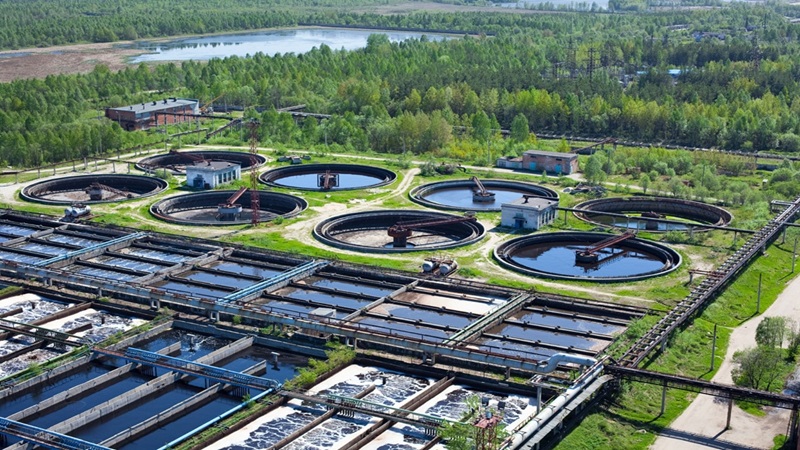
Full Implementation of Wastewater Treatment Systems for Public Use
Implementing a wastewater treatment system for public use is a complex undertaking. It involves detailed planning, design, construction, operation, and maintenance. The goal is to protect public health and the environment by effectively treating wastewater before its discharge or reuse.
1. Planning and Assessment
- Needs Assessment:
- Population Served: Determine the current and projected population to be served by the system.
- Wastewater Flows: Estimate the volume of wastewater generated, considering residential, commercial, and industrial sources.
- Wastewater Characteristics: Analyze the wastewater’s composition (e.g., organic matter, nutrients, pathogens, pollutants) to determine the required treatment processes.
- Site Selection:
- Environmental Impact: Evaluate potential environmental impacts of the system, including discharge location, potential for groundwater contamination, and odor control.
- Land Availability: Identify suitable land for the treatment plant, considering size, topography, and accessibility.
- Proximity to Population: Consider the location’s proximity to the population served and potential for noise and visual impacts.
- Regulatory Compliance:
- Permitting: Obtain all necessary permits from local, state, and federal regulatory agencies (e.g., EPA).
- Water Quality Standards: Ensure the treated wastewater meets the required water quality standards for discharge or reuse.
- Cost Analysis:
- Capital Costs: Estimate the costs of design, construction, equipment, and land acquisition.
- Operating Costs: Project the costs of energy, chemicals, labor, and maintenance.
- Funding Sources: Identify potential funding sources (e.g., grants, loans, user fees).
2. Design and Engineering
- Treatment Process Selection:
- Primary Treatment: Remove large solids and grit through screening, sedimentation, and grit removal.
- Secondary Treatment: Reduce organic matter and pollutants using biological processes (e.g., activated sludge, trickling filters, membrane bioreactors).
- Tertiary Treatment: Further remove nutrients, pathogens, and other pollutants using advanced processes (e.g., filtration, disinfection, nutrient removal).
- Sludge Treatment: Manage the solid waste generated by the treatment processes (e.g., thickening, dewatering, stabilization).
- Hydraulic Design:
- Flow Rates: Design the system to handle peak and average wastewater flow rates.
- Hydraulic Profile: Ensure the system has sufficient hydraulic capacity to transport wastewater through the treatment processes.
- Equipment Selection:
- Process Equipment: Select appropriate equipment for each treatment process, considering performance, efficiency, and reliability.
- Pumps and Piping: Design the pumping and piping systems to transport wastewater and treated effluent.
- Instrumentation and Control: Implement a control system to monitor and control the treatment processes.
- Civil and Structural Design:
- Plant Layout: Design the plant layout to optimize space utilization and operational efficiency.
- Structural Design: Design the structures (e.g., tanks, buildings) to withstand loads and environmental conditions.
- Electrical and Mechanical Design:
- Power Supply: Design the electrical system to provide power to the plant.
- HVAC: Design the heating, ventilation, and air conditioning systems.
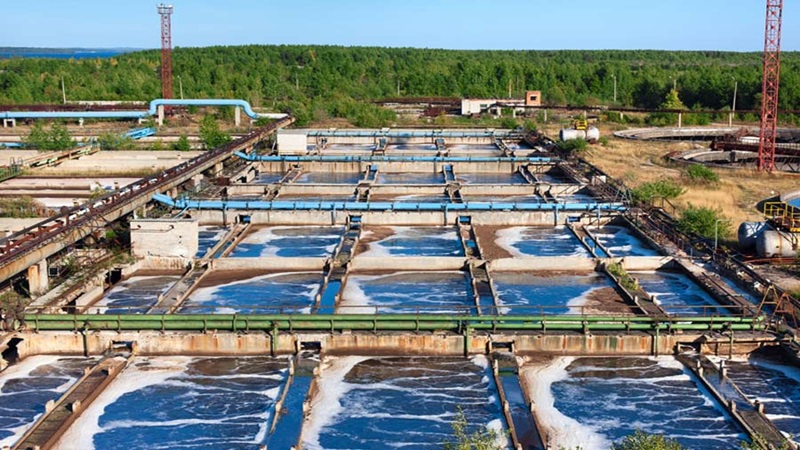
3. Construction
- Contractor Selection: Select a qualified contractor with experience in wastewater treatment plant construction.
- Site Preparation: Prepare the site, including clearing, grading, and excavation.
- Construction of Structures: Construct the tanks, buildings, and other structures according to the design drawings.
- Equipment Installation: Install the process equipment, pumps, piping, and instrumentation.
- Electrical and Mechanical Installation: Install the electrical and mechanical systems.
- Testing and Commissioning: Test the equipment and systems to ensure they function correctly.
4. Operation and Maintenance
- Startup and Training:
- Operator Training: Train operators on the operation and maintenance of the system.
- Plant Startup: Gradually bring the plant online, monitoring performance and making adjustments as needed.
- Process Control:
- Monitoring: Regularly monitor wastewater flow rates, water quality parameters, and process performance.
- Process Optimization: Adjust the treatment processes to optimize performance and meet water quality standards.
- Maintenance:
- Preventive Maintenance: Implement a preventive maintenance program to maintain equipment and prevent failures.
- Corrective Maintenance: Perform corrective maintenance to repair equipment failures.
- Sludge Management:
- Sludge Handling: Manage the solid waste generated by the treatment processes.
- Sludge Disposal/Reuse: Dispose of or reuse the sludge in an environmentally sound manner.
- Reporting and Compliance:
- Reporting: Prepare and submit reports to regulatory agencies on the plant’s performance.
- Compliance: Ensure the plant operates in compliance with all applicable regulations.
5. Public Education and Community Engagement
- Public Awareness: Educate the public about the importance of wastewater treatment and the benefits of the system.
- Community Involvement: Engage the community in the planning and implementation process.
- Transparency: Provide transparent information about the plant’s operation and performance.
Example:
Imagine a municipality planning to build a new wastewater treatment plant. The process would involve:
- Needs Assessment: Determining the current and future population, wastewater flow rates, and characteristics.
- Site Selection: Finding a suitable location, considering environmental impacts and land availability.
- Design: Selecting treatment processes (e.g., activated sludge), designing the plant layout, and specifying equipment.
- Construction: Hiring a contractor, building the plant, and installing the equipment.
- Operation: Training operators, monitoring performance, and maintaining the plant.
- Public Education: Informing the public about the project and its benefits.
Instagram page of Alborz Group, Northern Cyprus Residence Consultant Company
Related links:
Northern Cyprus Immigration
Buying property in North Cyprus
Residence in Northern Cyprus
Investing in Northern Cyprus


